
by Eric Hod | Design Manager, Hudson’s Furniture
A Practical Guide to Sleeping Better & Easing Back Pain
Waking up with back pain can put you at a disadvantage before your day even begins. Maybe your lower back feels stiff every morning, or you spend the night shifting positions, never quite getting comfortable. Over time, disrupted sleep and persistent back pain can quietly erode your energy, focus, and overall quality of life.
According to Harvard Medical School, back pain affects roughly 80 percent of adults at some point in their lives. And, because you spend about a third of your life in bed, your mattress plays a meaningful role in whether your body gets the support it needs to heal and recover. The wrong mattress does not just fail to help. It can actively contribute to pain, stiffness, and restless sleep that follows you into every part of your day.
If you’re shopping for a new mattress to help with back pain, this guide is designed specifically for you. We’ll explain how different mattress types support your body, which firmness levels work best for your sleep position and body type, and how to choose a mattress that addresses your specific needs. Whether you sleep on your back, side, or stomach, you’ll learn how to find the right match for lasting relief and better sleep.
Already have a mattress and wondering if it’s time to replace it? Check out our guide Does Your Mattress Need to Be Replaced? for a detailed look at signs of wear and when replacement makes sense.
Jump to what you want to know:
- How your mattress can affect back pain
- How mattress support works
- Best mattress choices based on sleeping position
- Best mattress firmness level to relieve back pain
- Best mattress for older adults (50+)
- Best mattress for limited mobility or chronic conditions
- Choosing a mattress based on body type & weight
- How to find your mattress firmness number
- Frequently asked questions
How Your Mattress Can Affect Back Pain
Your spine is not meant to stay perfectly straight. It has natural curves that need consistent support throughout the night. The right mattress helps maintain those curves while allowing your muscles to relax. When that balance is off, your body works harder than it should while you sleep.
If a mattress is too soft, your hips and shoulders can sink too deeply, pulling your spine out of alignment. If it is too firm, gaps can form under areas like the lower back, leaving parts of your spine unsupported. In both cases, your muscles stay engaged instead of resting, which is why you may wake up sore or stiff even after a full night in bed.
Think of it like sitting in an uncomfortable chair for hours. Your back tightens, your shoulders tense, and relief only comes when you stand up and move. Now imagine that happening for six to eight hours while you are asleep and unable to consciously adjust. Over time, that nightly strain adds up.
How Mattress Support Works
When a mattress is new, it is designed to strike a careful balance between two essential elements: support and pressure relief. Support keeps your spine aligned, while pressure relief allows heavier areas like your hips and shoulders to sink just enough to reduce strain. Together, these elements help maintain a neutral sleeping posture that allows your back to relax and recover overnight.
One common misconception is that the spine is naturally flat and that a very firm mattress is the key to better sleep. In reality, the spine has gentle, natural curves that need consistent support throughout the night. The right mattress works with those curves, not against them. If a mattress is too soft, your hips and shoulders can sink too deeply, pulling your spine out of alignment. If it is too firm, it can leave gaps between your body and the mattress, especially at the lower back, leaving those areas unsupported. In both cases, your muscles stay engaged instead of resting, which is why you may wake up feeling sore or stiff.
Over time, even the best mattress materials begin to change. Foams gradually soften, coils lose their resilience, and comfort layers compress with repeated use. What once supported your body evenly can start to feel uneven or less responsive, particularly in the areas where you sleep most often.
This kind of breakdown is not always obvious at first. A mattress can look perfectly fine on the surface while losing its ability to support you properly underneath. That is why back pain is often one of the earliest signs that something has changed. Your body feels the loss of support long before you can see it.
Best Mattress Choices Based on Sleeping Position
The way you sleep has a huge impact on what kind of mattress will work best for your back pain. Your sleep position determines where your body needs the most support and where you need the most cushioning. What works perfectly for a side sleeper might cause terrible back pain for a stomach sleeper, and vice versa.
Best Mattress for Back Sleepers
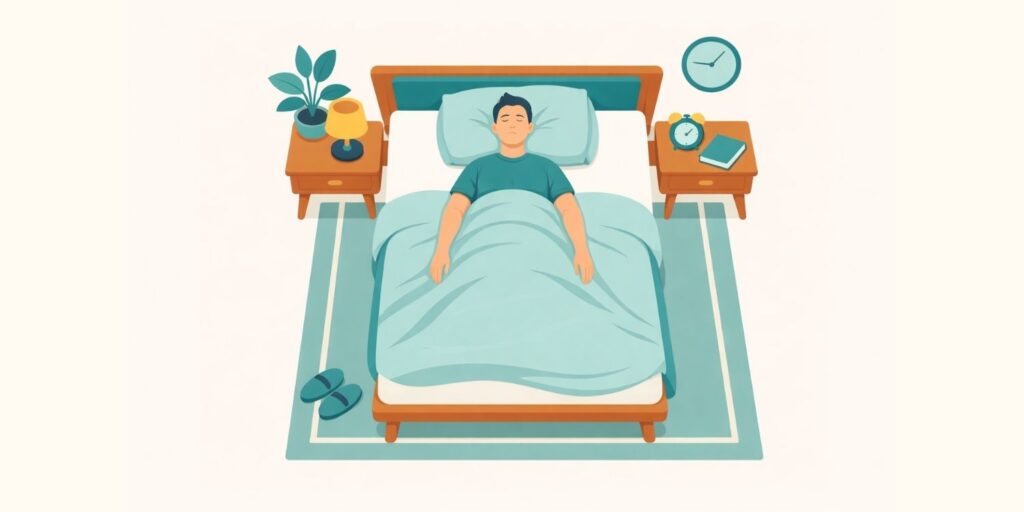
If you sleep on your back, you need a medium-firm to firm mattress that supports the natural curve of your lower back without letting your hips sink too deeply. Too soft, and your hips drop below your shoulders, creating strain. Too firm, and you’ll have a gap under your lower back that forces your muscles to work to maintain the curve. For these reasons, the best mattress options for back sleepers are hybrid, latex, and traditional innerspring mattresses.
- Latex Mattresses: Offer responsive support with a slight bounce that makes repositioning easy. Latex contours enough to fill the gap under your lower back while providing firm overall support that prevents hip sinking. The natural resilience of latex maintains consistent support throughout the night and typically lasts longer than other mattress types. Choose medium-firm to firm latex (6-7 on the scale) for optimal back support.
- Hybrid Mattresses: Particularly good for back sleepers, hybrid mattresses have a coil system that provides sturdy support while the comfort layers provide appropriate cushioning. The pocketed coils in quality hybrids respond independently to different parts of your body, which means your lower back gets the support it needs while your shoulders receive adequate cushioning. Look for hybrids with at least 2-3 inches of comfort foam and a supportive coil gauge (14-16 gauge wire).
- Innerspring Mattresses: Offering adequate comfort layers, traditional innerspring mattresses can also work well, especially for those looking to spend less. These traditional mattresses offer firm, responsive support that keeps your spine aligned, though they provide less contouring than hybrids. Choose innerspring models with at least 1-2 inches of comfort padding to prevent pressure points at the shoulders.
Firmness Recommendation: Medium-firm (5-7 on a 10-point scale). You want enough give to fill the gap under your lower back, but enough support to keep your hips from sinking.
Best Mattress for Side Sleepers
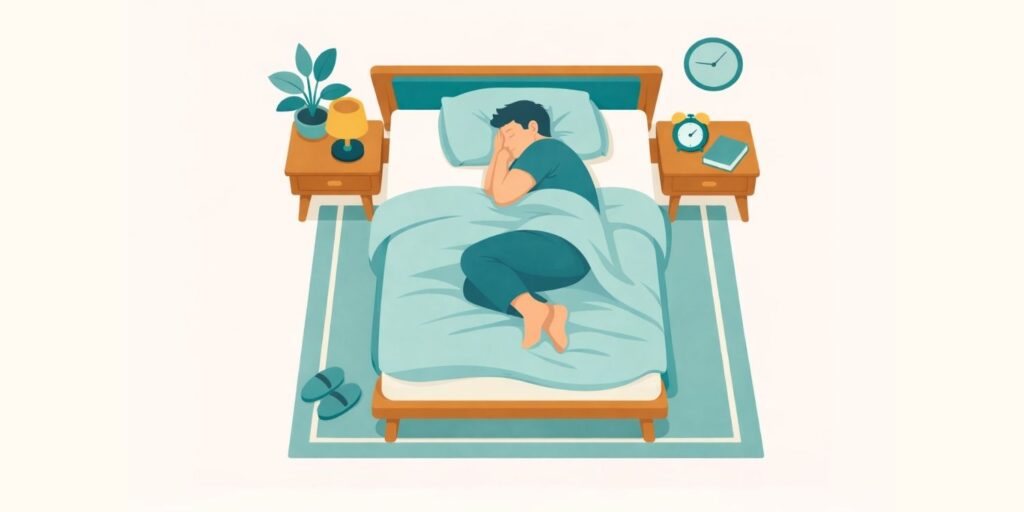
If you sleep on your side, you need a soft to medium-firm mattress that cushions your shoulders and hips while keeping your spine aligned. Side sleeping puts concentrated pressure on these specific points, and if your mattress is too firm, you’ll wake up with shoulder pain and hip soreness. Your spine needs to stay relatively straight when viewed from behind, which means your mattress must allow your shoulders and hips to sink in while supporting your waist. For these reasons, the best mattress options for side sleepers are memory foam, softer hybrids, and latex mattresses.
- Latex Mattresses: Work well for side sleepers who want contouring without the hugging sensation of memory foam. Latex provides pressure relief while maintaining a responsive, bouncy feel that makes changing positions easier. Natural latex is particularly effective at cushioning pressure points while still offering enough support to keep your spine aligned. Choose softer to medium latex (4-6 on the scale) depending on your body weight.
- Softer Hybrid Mattresses: Provide the cushioning you need with thick comfort layers (3 inches or more of foam or latex) while still offering the responsive support of coils underneath. This combination prevents the “stuck” feeling some side sleepers experience with all-foam mattresses. The coil system underneath provides targeted support to your waist while the plush top layers cradle your shoulders and hips. Look for hybrids specifically marketed as “plush” or “medium-soft.”
- Memory Foam Mattresses: Excel for side sleepers because they contour closely to your body shape, filling in gaps and redistributing pressure away from sensitive joints. The material responds to your body heat and weight, softening exactly where you need it most. Choose medium-density memory foam (4-5 pounds per cubic foot) for the best balance of contouring and support. Avoid ultra-plush options that allow too much sinking.
Firmness Recommendation: Soft to medium-firm (4-6 on a 10-point scale). You need more cushioning than back or stomach sleepers to prevent pressure points from developing. Heavier side sleepers may need medium-firm (6), while lighter side sleepers often prefer softer options (4-5).
Mattress to Avoid as a Side Sleeper: Traditional innerspring mattresses are typically too firm for side sleepers and don’t provide adequate pressure relief at the shoulders and hips.
Best Mattress for Stomach Sleepers
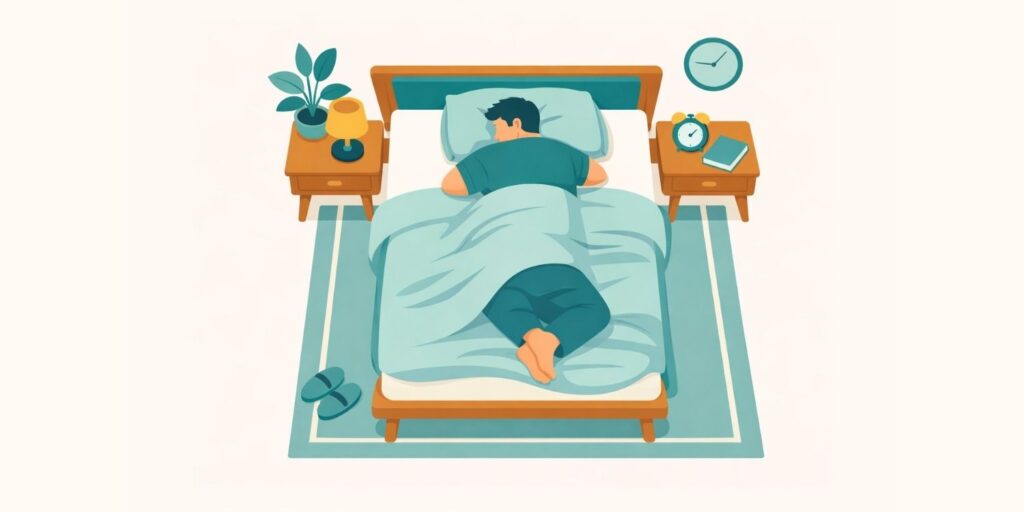
If you sleep on your stomach, you need a firm mattress that prevents your hips from sinking too deeply and creating an exaggerated arch in your lower back. Stomach sleeping is generally the hardest position on your back because it tends to hyperextend your spine, so proper mattress support becomes even more critical. This position also puts strain on your neck since you have to turn your head to breathe, making the right pillow choice equally important. For these reasons, the best mattress options for stomach sleepers are firm innerspring, firm hybrid, and firm latex mattresses.
- Firm Latex Mattresses: Provide supportive resistance with a natural bounce that keeps your body properly aligned. Latex offers just enough surface give to prevent pressure points without allowing problematic sinking in your hip area. The responsive nature of latex also makes repositioning easy if you shift during the night. Choose firm to extra-firm latex (7-8 on the scale) for stomach sleeping.
- Firm Hybrid Mattresses: Offer the solid support of coils with just enough comfort layer cushioning to prevent pressure points without allowing problematic sinking. The coil system provides strong, even support across your entire body, while thin comfort layers (1-2 inches) add minimal cushioning. Look for hybrids specifically labeled as “firm” with a lower comfort layer profile.
- Firm Innerspring Mattresses: Work well for stomach sleepers because they provide strong, even support across your entire body without excessive contouring. The responsive surface keeps your body relatively flat and prevents your midsection from sinking. These are often the most affordable option for stomach sleepers who need firm support. Choose models with minimal pillow-top padding.
Firmness Recommendation: Firm (7-8 on a 10-point scale). You need a surface that keeps your body relatively flat and prevents your midsection from sinking. Heavier stomach sleepers may need extra-firm options (8-9).
Mattresses to Avoid as a Stomach Sleeper: Memory foam mattresses typically allow too much sinking in the hip area, which pulls your spine into an unhealthy arch. If you must use a memory foam mattress as a stomach sleeper, choose the firmest option available (7-8 on the scale).
Best Mattress for Combination Sleepers
If you change positions frequently throughout the night, you need a mattress that works reasonably well in multiple positions and makes movement easy. This usually means choosing a medium-firm mattress that balances support and pressure relief. You also want a responsive mattress surface that doesn’t trap you when you need to shift from your back to your side or adjust your position. For these reasons, the best mattress options for combination sleepers are hybrid and latex mattresses.
- Latex Mattresses: Are an excellent choice for combination sleepers because they contour enough to relieve pressure but bounce back quickly when you move, which means you never feel stuck in one position. The natural responsiveness of latex adapts as you shift throughout the night without the slow recovery time of memory foam. Choose medium to medium-firm latex (5-6 on the scale) for the best multi-position performance.
- Hybrid Mattresses: Often work best for combination sleepers because they combine the pressure relief of foam with the responsive support of coils. The foam layers cushion your shoulders and hips when you’re on your side, while the coil system provides firm support when you roll onto your back or stomach. The responsive nature of the coils makes position changes smooth and effortless rather than requiring you to work against the mattress. Look for medium-firm hybrids (5-6 on the scale) with balanced comfort layers.
Firmness Recommendation: Medium to medium-firm (5-6 on a 10-point scale). This range provides enough support for back and stomach sleeping while still offering cushioning for side sleeping. Adjust within this range based on your dominant sleeping position and body weight.
Mattress to Avoid as a Combination Sleeper: Memory foam mattresses can be challenging for combination sleepers because they contour so closely that repositioning requires more effort, and the slow response of the material can make you feel trapped when trying to change positions.
Best Mattress Firmness Level to Relieve Back Pain
When you’re shopping for a mattress to help with back pain, you’ll encounter a lot of confusing advice about firmness. Some sources say you need a firm mattress, others recommend medium-firm, and some suggest soft options depending on your situation.
Most mattress companies use a firmness scale from 1 to 10, where 1 is extremely soft and 10 is extremely firm. Research comparing different firmness levels found that medium-firm mattresses (around 5 to 7 on the scale) provided the best outcomes for people with back pain. These mattresses offer enough support to keep your spine aligned while still cushioning your pressure points.
However, “medium-firm” isn’t a one-size-fits-all solution. The right firmness for you depends on the combination of your sleep position, body weight, and personal comfort preferences. A mattress that one person describes as perfectly medium-firm might feel too soft or too firm to someone else with a different body type or sleeping style.
How to Choose A Mattress Based On Body Type & Weight
Your body weight significantly affects how a mattress feels and performs. Two people can lie on the same mattress and have completely different experiences based on their weight. Understanding this helps you choose a mattress that will actually support your body properly.
Mattress recommendations by body type
Find the right firmness and mattress type based on your weight
Lighter individuals
Under 130 lbs
Best firmness: Soft to medium (3-5)
You don’t sink into mattresses as deeply, so softer options provide better contouring and pressure relief. Firmer mattresses might create gaps under your lower back and feel uncomfortably hard.
Best mattress types:
Memory foam, softer hybrids, or latex mattresses that allow adequate contouring
Average weight
130-230 lbs
Best firmness: Medium to medium-firm (5-7)
You have the most flexibility in firmness choice. Medium-firm mattresses typically provide the best balance of support and comfort for your weight range. Most mattress ratings are designed with this weight range in mind.
Best mattress types:
Most mattress types work well; choose based on sleep position and personal preference
Heavier individuals
Over 230 lbs
Best firmness: Firm (7-9)
You sink more deeply into mattresses, so firmer options prevent excessive sinkage that can misalign your spine. Softer mattresses often don’t provide enough support and may wear out faster. Look for mattresses specifically designed for heavier weights.
Best mattress types:
Firm hybrids with reinforced coils, firm latex, or high-density memory foam with strong support cores
How Age & Mobility Affect Mattress Choice
As we age, our bodies change in ways that affect mattress choice. Joint sensitivity increases, mobility may decrease, and our sleep positions might shift. If you’re shopping for a mattress with back pain and you’re over 50, or if you have mobility challenges at any age, these factors deserve attention.
Best Mattress for Older Adults (50+)
Older adults often benefit from mattresses with better pressure relief because joints become more sensitive over time. However, you still need adequate support to prevent back pain. The key is finding a balance that cushions pressure points without allowing your spine to sag.
What to look for:
- Medium to medium-firm support that prevents sinking while cushioning joints
- Good edge support that makes it easier to sit on the side of the bed and stand up
- Responsive surface that doesn’t trap you when you need to change positions
- Adequate cushioning for hips and shoulders, which often develop arthritis or bursitis
Hybrid mattresses with pocketed coils and substantial comfort layers often work well for older adults. The coils provide support and make movement easier, while the comfort layers cushion sensitive joints. Some older adults also do well with latex mattresses because of the responsive, pressure-relieving properties.
Best Mattress for Limited Mobility or Chronic Conditions
If you have limited mobility, arthritis, fibromyalgia, or other chronic conditions that affect movement, your mattress choice becomes even more important. You need a mattress that makes it easier to get in and out of bed while still providing adequate back support.
What to look for:
- Strong edge support for stability when sitting or standing
- Medium height (not too low or too high) for easier access
- Responsive materials that don’t make repositioning difficult
- Proper firmness that prevents sinking while cushioning painful areas
Consider pairing your mattress with an adjustable base if mobility is a significant concern. Adjustable bases allow you to raise the head or foot of the bed, which can reduce pressure on your back and make getting in and out of bed easier. This combination often provides more relief than the mattress alone.
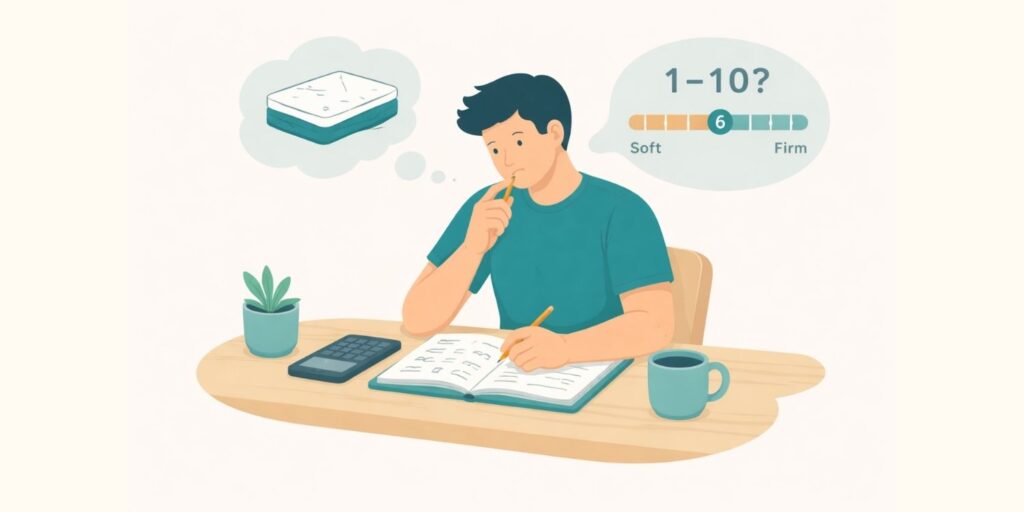
How To Find Your Mattress Firmness Number
When you’re shopping for a mattress to help with back pain, you’ll encounter a lot of confusing advice about firmness. Some sources say you need a firm mattress, others recommend medium-firm, and some suggest soft options depending on your situation. The truth is that finding the right firmness doesn’t have to be complicated once you understand how the firmness scale works and what affects how a mattress feels for your specific body.
Most mattress companies use a firmness scale from 1 to 10, where 1 is extremely soft and 10 is extremely firm. Research comparing different firmness levels found that medium-firm mattresses (around 5 to 7 on the scale) provided the best outcomes for people with back pain. These mattresses offer enough support to keep your spine aligned while still cushioning your pressure points.
However, “medium-firm” isn’t a one-size-fits-all solution. The right firmness for you depends on the combination of your sleep position, body weight, and personal comfort preferences. A mattress that one person describes as perfectly medium-firm might feel too soft or too firm to someone else with a different body type or sleeping style. You can determine your ideal firmness level using a simple two-step process: start with your body weight as the baseline, then adjust based on how you sleep. This approach accounts for the two most important factors that affect how a mattress feels and performs for your back.
How To Find Your Mattress Firmness Number
Body weight baseline
Adjust for sleep position
Example:
If you weigh 180 lbs (baseline 5-7) and sleep on your side, subtract 1-2 points. Your ideal firmness is 4-5 (medium-soft to medium). If you sleep on your stomach at the same weight, add 1-2 points for an ideal firmness of 7-8 (firm).
Pick Your Right Mattress At Hudson’s
Back pain doesn’t have to be a normal part of waking up. That’s why understanding how different mattress types work, how your sleep position and body type affect your needs, and what level of support your back requires puts you in control of the decision.
The right mattress for back pain isn’t about choosing the softest or firmest option available. It’s about finding the balance of support and pressure relief that works for your body, adapting to your natural curves, and working with your specific sleeping style rather than against it.
At Hudson’s Furniture + Mattress, we understand that choosing the right mattress isn’t just about features and specifications. It’s about finding what works for your unique combination of sleep position, body type, age, mobility, and comfort preferences. Our sleep specialists take the time to understand your specific back pain concerns and guide you to mattresses that address your needs without overwhelming you with options. We carry trusted brands known for quality construction and proper support, and we’ll never recommend a mattress that isn’t right for your situation.
Visit any of our showroom locations across Florida to test mattresses in person, or explore our complete mattress collection online to start your search from home.
FAQs
What firmness level is best for back pain?
Medium to medium-firm mattresses (5 to 7 on a 10-point scale) work best for most people with back pain because they balance spinal support and pressure relief. However, your ideal firmness depends on your body weight and sleep position. Lighter individuals often need softer mattresses, while heavier individuals typically need firmer options. Side sleepers usually need softer surfaces than back or stomach sleepers.
Which mattress type is best for side sleepers with back pain?
Memory foam and softer hybrid mattresses typically work best for side sleepers because they contour to your body shape and relieve pressure at your shoulders and hips. You need cushioning at these pressure points to keep your spine properly aligned. Look for medium to medium-soft firmness (4 to 6 on the scale) depending on your body weight.
Do heavier people need firmer mattresses?
Yes, people over 230 pounds typically need firmer mattresses (7 to 9 on the scale) to prevent excessive sinking that can misalign the spine. Heavier individuals sink more deeply into mattresses, so firmer options provide the support needed to maintain proper spinal alignment. Look for mattresses specifically designed for higher weight capacities with reinforced support systems.
How long does it take to adjust to a new mattress?
Your body typically needs 3 to 4 weeks to fully adjust to a new mattress. During this break-in period, you might experience temporary discomfort as your muscles and spine adapt to different support. This is why most quality mattress retailers offer trial periods of at least 90 days, giving you enough time to determine if the mattress actually helps your back pain.
Should older adults choose softer or firmer mattresses?
Older adults (50+) often benefit from medium to medium-firm mattresses that balance support and pressure relief. As joints become more sensitive with age, you need adequate cushioning at pressure points without sacrificing spinal support. Good edge support is also important for easier bed entry and exit. Hybrid mattresses with pocketed coils and substantial comfort layers often work well.
Can a mattress topper help with back pain?
A mattress topper can provide temporary relief if your mattress is slightly too firm, but it can’t fix a mattress that’s worn out or fundamentally wrong for your needs. Toppers add cushioning to reduce pressure points, but they don’t provide the structural support your spine needs. If you’re shopping for a new mattress, choose one with the right firmness and support rather than planning to add a topper.
Do I need to replace my foundation when I get a new mattress?
It depends on your foundation type and your new mattress requirements. Memory foam and latex mattresses need solid, firm support like a platform bed or bunkie board. If you currently have a box spring, you’ll need to change your foundation. Innerspring and hybrid mattresses can often work with existing box springs if they’re in good condition. Check with your mattress retailer about foundation requirements to avoid compatibility issues.
What if my partner and I need different firmness levels?
Several solutions can help couples with different firmness preferences. Some mattress brands offer split firmness options where each side of the mattress has different firmness levels. You could also use a mattress topper on one side only to adjust firmness. Another option is choosing a medium-firm mattress that provides a compromise, or considering an adjustable base that allows each person to customize their side.
Are expensive mattresses always better for back pain?
Not necessarily. While quality materials and construction cost more, the most expensive mattress isn’t automatically the best choice for your back. Research shows that mid-priced mattresses often perform just as well as premium models for back pain relief. Focus on finding the right firmness, support, and mattress type for your specific needs rather than assuming higher price equals better results.